
How to Perform ECU Coding and Service Resets (EPB, SAS, DPF, BMS, Oil)
Why Modern Service Procedures Require Diagnostic Tools
Routine vehicle maintenance is no longer just a mechanical operation. Modern vehicles require computerized calibration and ECU adaptation whenever consumable components—such as brake pads, batteries, steering racks, or particulate filters—are serviced or replaced. Performing these jobs without an electronic reset can cause warning lamps, system malfunctions, or component damage.
1. Electronic Parking Brake (EPB) Service Mode
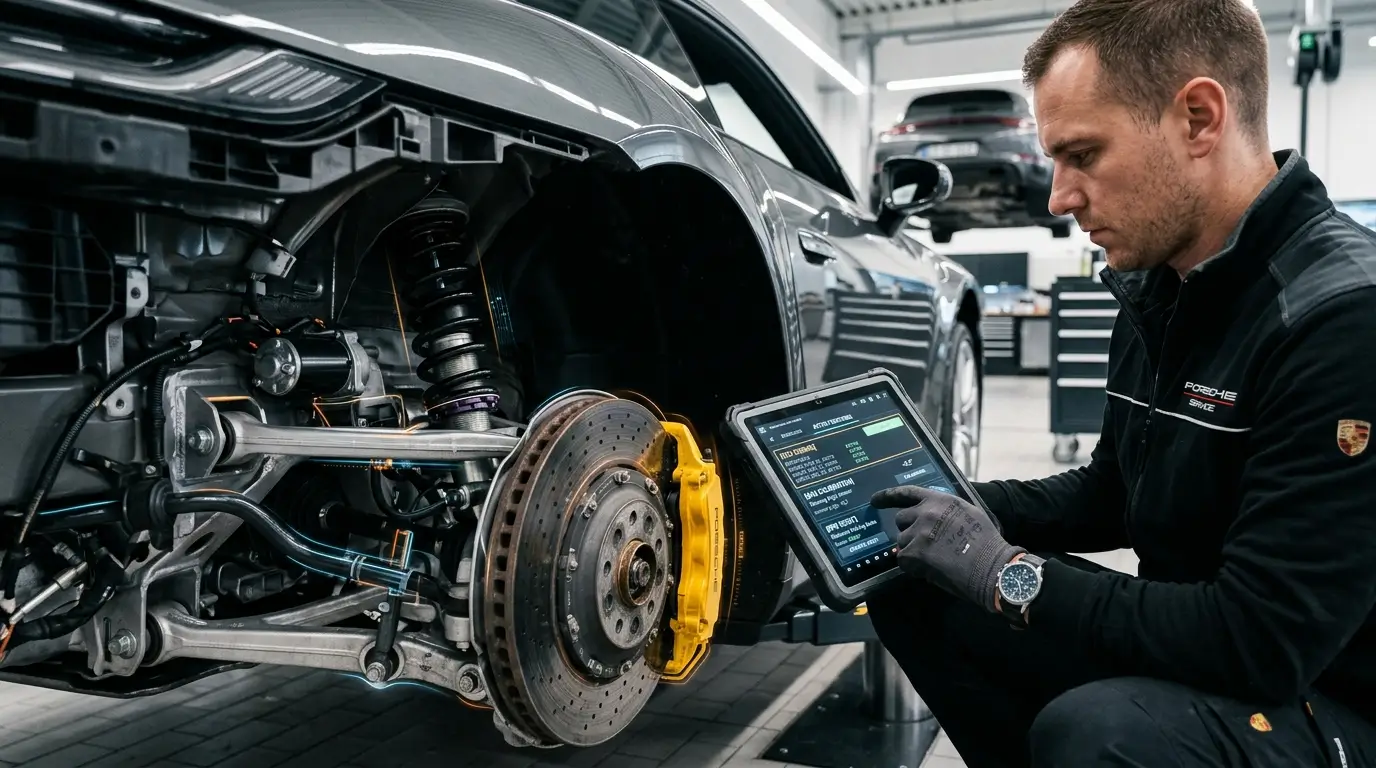
Vehicles equipped with electric parking brake calipers use an electric motor to clamp the rear brake pads against the rotor. You must never mechanically compress the caliper piston with a C-clamp while the caliper is engaged, as this destroys the internal motor gears. Select Special Function > EPB Reset / Brake Pad Replacement, and command the ECU to retract the calipers into service position.
2. Battery Management System (BMS) Registration
Modern vehicles adjust alternator charging voltage based on the age, temperature, and internal resistance of the battery. When a new battery is installed without registering it in the Gateway/BMS ECU, the alternator will continue overcharging the new battery, drastically reducing its lifespan.
3. Diesel Particulate Filter (DPF) Regeneration
When diesel vehicles operate primarily on short city trips, exhaust temperature never reaches the threshold required to burn off accumulated soot, resulting in DPF restriction codes (P2463 / P2458). Diagnostic scanners allow mechanics to initiate a forced static DPF regeneration or dynamic regeneration while driving.
4. Steering Angle Sensor (SAS) Calibration
After performing front-end wheel alignment, suspension repairs, or steering rack replacement, the SAS sensor must be calibrated to zero degrees so Electronic Stability Control (ESP) operates accurately.